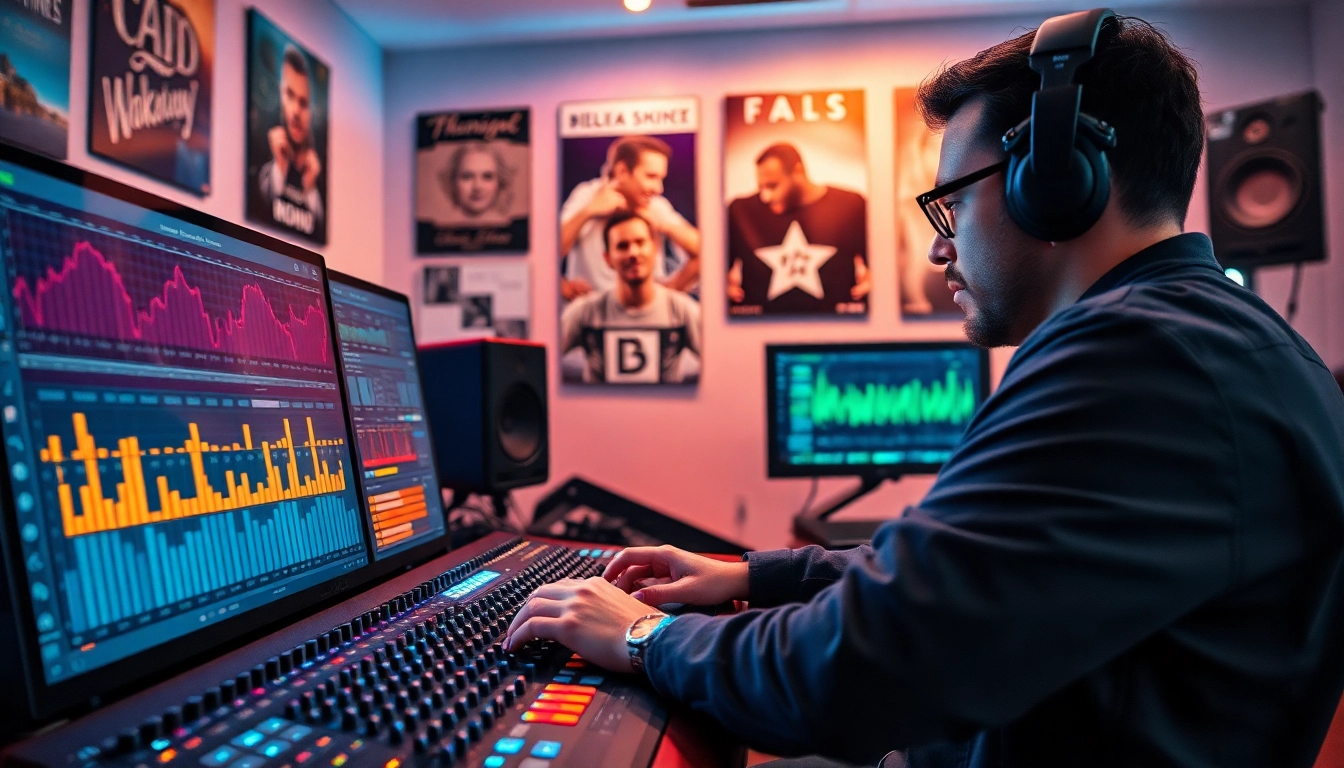
Understanding Online Mastering Services
What Are Online Mastering Services?
Online mastering services are a modern solution for musicians, producers, and audio engineers looking to achieve high-quality polished tracks. Unlike traditional mastering, which often requires specialized studios with expensive equipment and expert engineers present, online mastering allows creators to upload their audio tracks to a digital platform where they are processed remotely. This service typically employs advanced algorithms combined with human expertise to fine-tune the tracks, ensuring they meet industry standards for sound quality and loudness. By utilizing online mastering services, artists can access professional-grade mastering from anywhere, often at a fraction of the cost of conventional methods.
Benefits of Using Online Mastering Services
The transition to online mastering offers numerous advantages. Firstly, it is often more cost-effective than traditional mastering services, which can require extensive studio time and specialized equipment. This accessibility democratizes the music production process, allowing independent artists and hobbyists to create professional-sounding recordings. Additionally, online mastering provides convenience, as users can submit their tracks at any time and receive feedback quickly. Furthermore, many online services provide user-friendly interfaces and streamlined processes that enable even novices to master their music effectively. Lastly, online services often include a variety of styles and formats, catering to diverse musical genres and preferences.
How Online Mastering Differs from Traditional Methods
While both online and traditional mastering aim to enhance sound quality, the methods starkly differ. Traditional mastering involves a hands-on approach, with audio engineers working in dedicated studios that boast top-tier equipment. This process allows for real-time adjustments and nuanced decision-making, ideal for artists who require specific sound profiling. In contrast, online mastering relies heavily on software algorithms and presets, which can efficiently produce good quality masters but may lack the personalized touch of a seasoned engineer. Moreover, the turnaround time for online services is typically faster, but it may sacrifice the depth of personalized feedback found in traditional settings.
The Process of Online Mastering
Steps Involved in Online Mastering Services
The online mastering process can be summarized into several straightforward steps:
- Audio File Upload: Users submit their tracks in specified formats, usually WAV or AIFF.
- Selection of Preferences: Users may choose mastering styles, target formats, and any particular adjustments they prefer.
- Processing: The tracks are processed using digital mastering software that applies equalization, compression, limiting, and other enhancements.
- Review: After processing, users receive a preview of the mastered track for evaluation.
- Feedback and Revisions: Users can provide feedback and request revisions if necessary.
- Final Submission: Once approved, the final mastered files are delivered for distribution.
Choosing the Right Files for Submission
When submitting files for online mastering, the quality of the original recordings is paramount. Ensure that tracks are mixed properly and free from unwanted noise. Aim for high-resolution files, generally at least 24-bit depth and 48kHz sample rate, to guarantee the best mastering outcome. Additionally, avoid large dynamic variations within your mix to achieve a cohesive sound. Label your tracks clearly and provide instructions or notes, as clarity will aid the mastering engineer or algorithm in understanding your vision.
Common Tools and Software Used
Online mastering services employ a variety of tools and software to deliver professional-quality results. These include digital audio workstations (DAWs) equipped with plugins for equalization, compression, and limiting. Notable software might include iZotope Ozone, Waves plugins, and various proprietary mastering tools that leverage AI for intelligent processing. Understanding these tools can help users better communicate their mastering needs and preferences.
Choosing an Online Mastering Service
Factors to Consider When Selecting Services
Choosing the right online mastering service involves several considerations:
- Quality of Service: Research the quality of outputs by listening to samples offered by the service.
- Turnaround Time: Determine how quickly you need your masters and select a service that meets your timeline.
- Cost: Compare pricing structures to ensure they fit within your budget while also considering quality.
- User Experience: Look for platforms that offer intuitive interfaces and user-friendly submission processes.
- Support Options: Consider if the service provides adequate customer support should you require assistance or have questions.
Comparing Cost vs Quality in Online Mastering Services
While many online mastering services advertise low prices, it is essential to weigh cost against quality expectations. The cheapest option may not deliver the best sound quality, whereas spending more does not always guarantee superior results. Assess user reviews, listen to audio samples, and utilize any free trials to judge the quality of mastering. Often, reasonable pricing reflects significant expertise and technology behind the service, so it's worth investing in a balanced option to ensure professional results.
User Reviews and Recommendations
User reviews can be invaluable when selecting an online mastering service. Take the time to read detailed testimonials and recommendations on forums, social media, and review websites. Look for consistent praise regarding sound quality, communication, and overall user experience. Additionally, engaging with communities of musicians and producers can yield first-hand experiences and recommendations that help you make informed decisions.
Common Misconceptions about Online Mastering Services
Debunking Myths Surrounding Online Mastering Services
There are several common myths about online mastering services that can mislead potential users. One prevalent misconception is that online mastering cannot achieve the quality comparable to in-studio sessions. While it is true that the nuances of an experienced human engineer are sometimes difficult to replicate solely with software, modern algorithms and mastering services have closed much of this gap. Another misconception is that online mastering is only for electronic music; in reality, the versatility of these services accommodates a vast array of genres.
Quality Concerns: Are They Valid?
Concerns regarding the quality of online mastering are common, yet with adequate research and careful selection, these fears can often be alleviated. The quality of results can vary significantly among different platforms; thus, listening to sample tracks, and reading user feedback is crucial. Many services also offer free trials or test mastering options that allow users to judge sound quality before making a financial commitment.
The Learning Curve for New Users
Some users may feel intimidated by the online mastering process, particularly if they are new to audio production. While the initial learning curve can be steep, most platforms are designed with user-friendliness in mind, providing tutorial resources and customer service support to guide users through the process. By taking the time to familiarize yourself with the interface and tools, you can significantly enhance your experience and outcomes in using these services.
Maximizing Results from Online Mastering Services
Best Practices for Preparing Your Tracks
Proper preparation of your audio tracks is crucial for achieving optimal results from online mastering services. Consider the following best practices:
- Ensure your final mix is balanced in terms of volume, frequencies, and panning.
- Avoid limiting or compressing at the final mix stage to allow the mastering service flexibility in processing.
- Leave headroom in your audio files, typically around -3 dB, to prevent clipping during mastering.
- Double-check the mix on various playback systems to ensure consistency across different listening environments.
- Provide clear notes for the mastering engineer regarding your vision for the final product.
Providing Detailed Notes for Your Engineer
When submitting tracks for online mastering, effective communication is key to achieving the desired sound. Providing detailed notes outlining your artistic vision, reference tracks, and any specific preferences can guide the mastering engineer. Be clear about elements such as the type of loudness, mood, and any particular adjustments you seek. This ensures the final product aligns closely with your expectations, thereby reducing the need for revisions.
Understanding the Feedback Process and Revisions
Once you receive your mastered track, understanding the feedback and revision process is essential. Most services provide an opportunity to review the track and request changes based on your assessment. Be prepared to give constructive feedback, specifying what aspects you'd like adjusted. This collaborative approach helps refine the final product to better fit your artistic vision, enhancing the overall quality of your track.
Frequently Asked Questions
What is the average turnaround time for online mastering?
Turnaround time for online mastering varies by service but typically ranges from a few hours to several days, depending on the complexity and service chosen.
Do I need to provide mixed tracks for online mastering?
Yes, providing a well-mixed track is essential for achieving optimal results. High-quality mixes facilitate better mastering outcomes, ensuring clarity and balance.
Can I communicate with the mastering engineer?
Most online mastering services allow for communication, enabling you to provide specific notes and feedback directly to the mastering engineer or team.
Are online mastering services suitable for all genres?
Yes, online mastering services cater to various genres, with many platforms offering specific mastering presets tailored to diverse styles of music.
What file formats are accepted for mastering?
Most online mastering services accept high-resolution formats such as WAV or AIFF, typically at 24-bit depth and a sample rate of at least 48kHz.