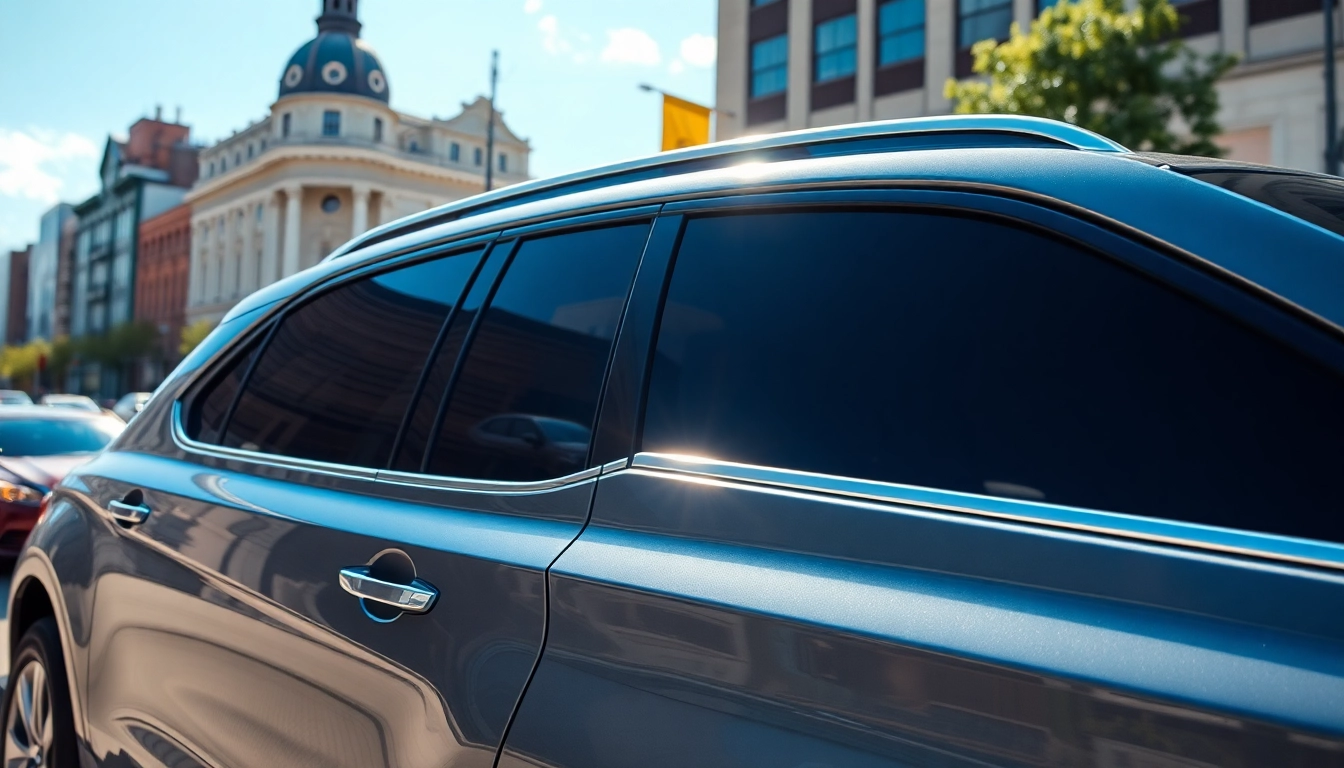
Understanding Window Tinting Options
Different Types of Window Tint
When exploring best window tint Chattanooga TN, it's crucial to understand the various types of tint available. Each type has its unique properties, benefits, and aesthetic appeal. The primary categories are dyed, metalized, ceramic, and hybrid tints. Dyed window tints utilize a colored film that absorbs light and reduces glare, making them a popular choice for many vehicle owners. Metalized films incorporate small metallic particles, which reflect heat and UV rays, enhancing durability and adding a degree of privacy. Ceramic tints are perhaps the highest quality, providing excellent heat rejection without interference with electronic devices while also being very durable. Hybrid films combine elements from both dyed and metalized films, offering a balance of affordability and performance.
Benefits of Window Tinting for Vehicles
Window tinting is more than just a stylistic choice; it provides numerous practical benefits. Firstly, it enhances privacy, shielding your vehicle’s interior and belongings from prying eyes. Secondly, tinted windows significantly reduce heat buildup inside the car, which is especially advantageous in the warm climate of Chattanooga, TN. This not only improves passenger comfort but also decreases the demand on air conditioning, potentially leading to lower fuel costs. Additionally, window tinting can block up to 99% of harmful UV rays, protecting passengers and the vehicle's interior from sun damage. Enhanced glare reduction also contributes to safer driving experiences by minimizing eye strain.
Choosing the Right Tint for Your Needs
Selecting the right type of window tint involves considering factors such as your vehicle's use, local climate, and personal style preferences. If you're looking for maximum heat rejection and UV protection, ceramic tint may be your best choice, albeit at a higher cost. For those on a tighter budget, dyed or metalized tints could offer a suitable alternative while still providing decent protection and aesthetics. Additionally, be mindful of the tint's visibility level, ensuring it meets local regulations for legal use.
Local Regulations for Tinted Windows
Legal Tint Levels in Chattanooga TN
In Chattanooga, TN, state laws dictate specific limitations on window tinting to ensure safety and visibility on the roads. According to current regulations, the front windshield must allow more than 30% of light in, and the front side windows must permit a minimum of 35% light transmittance. The back side windows and rear windshield have no specific restrictions, meaning you can apply darker tints if desired. Familiarizing yourself with these regulations is crucial to avoid any legal complications.
Penalties for Non-Compliance
Failing to adhere to local tinting regulations can result in fines and legal issues. Law enforcement officers have the authority to stop vehicles with illegal tint, leading to potential citations ranging from minor fines to more serious penalties. Furthermore, you might be required to remove or modify the tint, incurring additional costs. To avoid these repercussions, it's best to ensure that your chosen window tint complies with state laws.
How to Ensure Compliance with Local Laws
To guarantee your window tinting is within legal limits, consider consulting with professionals who understand local regulations. Many reputable installation shops will not only provide quality service but also ensure compliance with state laws. Alternatively, you can refer to state guidelines available online and check the specifications of your tint before installation. Regularly assessing your vehicle’s windows can help maintain compliance, especially if you decide to change your tint in the future.
Installation Process: What to Expect
Step-by-Step Tint Installation Guide
The window tint installation process generally involves several key steps that professionals follow to ensure a high-quality finish. Initially, they will clean the windows thoroughly to remove any dirt or debris that may cause bubbles. Next, they measure and cut the tint film to fit each window precisely. The film is then applied using a solution to allow for positioning and adjustments. Once aligned correctly, the technician will squeegee out excess water and air, ensuring optimal film adhesion. Finally, the edges are trimmed for a clean look, and the installation is checked for imperfections.
DIY vs. Professional Installation
While DIY window tinting kits are available, professional installation is often the better choice. Inexperienced individuals might struggle with achieving the flawless finish that professionals can provide, leading to unsightly bubbles or distorted views. Moreover, pros typically use higher-quality films and have access to tools that allow for precision work. If you opt for DIY, ensure to follow manufacturer instructions diligently and be prepared for possible setbacks.
Cost Considerations for Window Tinting
The cost of window tinting can vary based on factors like the type of film used, the number of windows being tinted, and whether you choose professional installation. On average, prices may range from $100 to $400 for a full vehicle tint. Premium materials like ceramic can drive costs higher but often offer better performance. Always obtain quotes from multiple providers and ask about warranties to find the best deal without sacrificing quality.
Maintaining Your Window Tint
Care Tips for Longevity
To prolong the life of your window tint, adopt a few care practices. First, allow the film to cure properly after installation—this can take up to a week. Avoid rolling down windows during this time, as it can cause peeling. Cleaning should be done with non-abrasive materials and solutions specifically designed for tinted windows. Regularly check the edges for any signs of lifting or wear, as prompt attention can prevent further issues.
Common Mistakes to Avoid
When maintaining your window tint, avoid using harsh chemicals or abrasive cleaners that could damage the film. Additionally, never use high-pressure water when cleaning or washing your vehicle, as this can compromise the tint. It's also crucial not to scrape ice or snow off tinted windows with sharp objects, as this may scratch or remove the tint.
When to Seek Professional Help
If you notice bubbling, peeling, or fading of your tint, seeking professional help is essential. These issues can worsen over time and lead to higher repair costs. A professional can assess the condition of your tint, recommend corrective actions, and potentially reinstall it if necessary.
Frequently Asked Questions about Window Tinting
What is the best material for window tint?
The best materials for window tint include ceramic films, which provide excellent heat rejection and UV protection without interference with electronics.
Is window tinting worth the investment?
Yes, window tinting is a worthy investment due to its benefits, including heat reduction, UV protection, privacy enhancement, and improved aesthetics.
How long does window tint typically last?
High-quality window tint can last anywhere from 5 to 15 years, depending on the material used and maintenance care.
Can window tinting reduce heat inside the vehicle?
Yes, window tinting significantly reduces heat buildup by reflecting or absorbing solar energy, thus enhancing passenger comfort.
What are the differences between ceramic and dyed window tints?
Ceramic tints offer superior heat rejection and UV protection without interference with electronic devices, while dyed tints are generally less expensive but offer lower performance.